
Website Design Trends: The Future of Digital Experiences
Website design is evolving toward AI-powered, immersive, and highly personalized experiences that balance aesthetics, performance, and accessibility.
The Future of AI-Driven Design
Artificial intelligence is transforming web design through automated layout generation, personalized content, and real-time adaptation of visuals and messaging. By automating repetitive tasks, AI enables designers to focus on strategy, branding, and user experience while creating more responsive and engaging websites.
Immersive and Interactive Experiences
Businesses are increasingly adopting technologies such as Augmented Reality (AR) and interactive 3D elements to enhance user engagement. AR Preview features allow users to visualize products within their own environments using smartphones or tablets, providing a realistic view before purchase.
Scroll-triggered animations are also becoming more common, activating as users navigate a page to create a dynamic and interactive browsing experience. Leading brands, including Nike, use these technologies to help customers explore and evaluate products more effectively.
Typography and Visual Design
Bold typography, motion graphics, layered color palettes, and purposeful illustrations are shaping modern web design. Asymmetrical layouts and fluid transitions are replacing rigid grid structures, creating more visually engaging and dynamic experiences.
Performance and Accessibility
Fast load times, mobile-first design, and accessibility remain essential. Website performance directly influences user engagement and conversion rates, while inclusive design ensures digital experiences are accessible to all users.
Content Automation and SEO
AI-powered tools streamline content creation by generating high-quality text, visuals, and multimedia while maintaining brand consistency. These tools also support automated content updates and improved workflow efficiency.
SEO platforms further enhance website performance by automating keyword research, technical audits, site optimization, and search visibility monitoring, helping organizations improve search rankings and online reach.
Key Takeaway
The most successful websites will combine AI-driven personalization, immersive experiences, modern visual design, and strong performance standards. By leveraging these technologies, organizations can create engaging, accessible, and memorable digital experiences that strengthen customer connections and drive results.
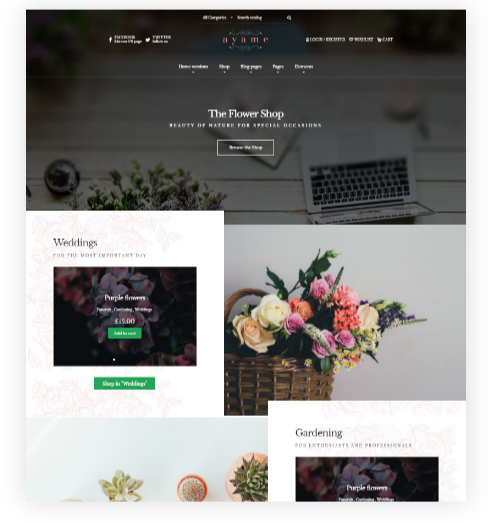
 Fourth, provide key information about your company on relevant pages, while ensuring a clear focus on one idea per page. Additionally, include expected pages such as an About Page and Services page, alongside other important content.
 Seventh, incorporate clear calls to action, prominently instructing visitors to take specific actions before leaving the site.